 by
by
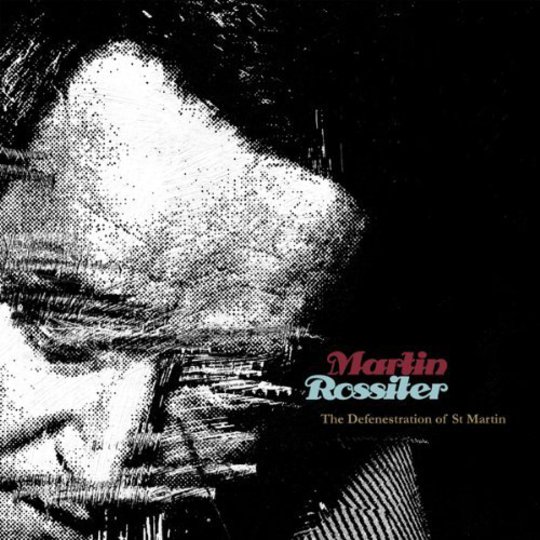
“There are no pearls,” sings Martin Rossiter at the start of his solo debut, his first record since breaking up alt rockers Gene. He’s lying: The Defenestration of St. Martin - poncy title aside - is so pearly you could make traditional cockney costume out of it. Recorded after spending a decade in the wilderness (that is, working as a music tutor), it’s a gut-wrenching, warts-and-all one-man tantrum, which features only the Welsh lilt of its composer and an expertly played piano. Forget the fact there’s a Britpop-era survivor behind what’s on show; this is a tight and sincere collection of melodies that rightly had the working title Songs to Make Grown Men Cry.
The piano compositions on The Defenestration... are grand and sweeping, Rossiter giving each one legs by singing over it with gusto. This year finds Rossiter in terminal singledom; as drained and useless as Hubert Selby Jr must’ve felt after he was told he had a month to live and handed the medical bill. Luckily Rossiter’s crafted his misery into gorgeous, scathing songs: ‘Three Points on a Compass’ recounts a Helen of Troy-sized love triangle, Rossiter repeating ”The only thing I got from you was my name/This stupid name” as he references either a divorce or perhaps his time in the industry. Lead track ‘Drop Anchor’ is a ballad laced with the kind of animal lust and details about girls’ coats Darren Hayman made his name with, while ‘I Must Be Jesus’ flashes black humour with its a cappella chorus and cries of ”I must be Jesus/There’s no other explanation for this thing/I’ve been put on Earth to suffer for no reason”.
Rossiter doesn’t only do lonely gratification: he still knows how to work those uplifting choruses that won him plaudits during the New Labour years. The moods he plays with on The Defenstration are frank and forthright, like he’s out for revenge on the producers who once told him 'It’s not Manics enough!' 'More like The Smiths!' Even Morrissey fans would approach 'No One Left To Blame' cautiously, where Rossiter slows down for a pang of despair and plays some tinkling scales. ”Far too spineless/I didn’t ask for any of this/My heart’s been set ablaze/By some teenage disaster/Stuff my face fat full of pills/All I wanted was a lover”. This is dark dark stuff, best saved for after you’ve already bought the bleach and razor blades. ‘Sing It Loud’ crosses over into psychopath territory with Rossiter playing a kidnapper, ranting to his victim before he prepares to commit the atrocious (”Sing it loud, girl/For it’s the last song you’ll ever have/Smile/We’re gonna sing this song tonight”).
The fact Rossiter has managed to turn these wrenching moments into Jools Holland-ready piano solos is proof of the effort he’s put into The Defenstration. This is a rare and affecting record; the kind of work a rock star can only produce if locked in a room with no cocaine. Raving, romantic and graceful, it’s what might happen if Britpop had gone to finishing school, and even includes a final guitar treat for anyone who tuned in the hope of another round of Olympian. For the rest of its 43 minutes it’s strong enough with just Rossiter and a piano. You want emotionally wrought, Radio 2 friendly breakup music? Only a fool would choose Keane over this.
-
8George Bass's Score